
Early version. A short first pass; a fuller version is on the way.
Why a plain count works
A count is easy to understand and hard to argue with. Every call, text, appointment or completed follow-up adds one, and everyone can see where they stand without doing math. Weighted formulas invite debate about what's worth more; a plain count keeps the conversation on doing the work.
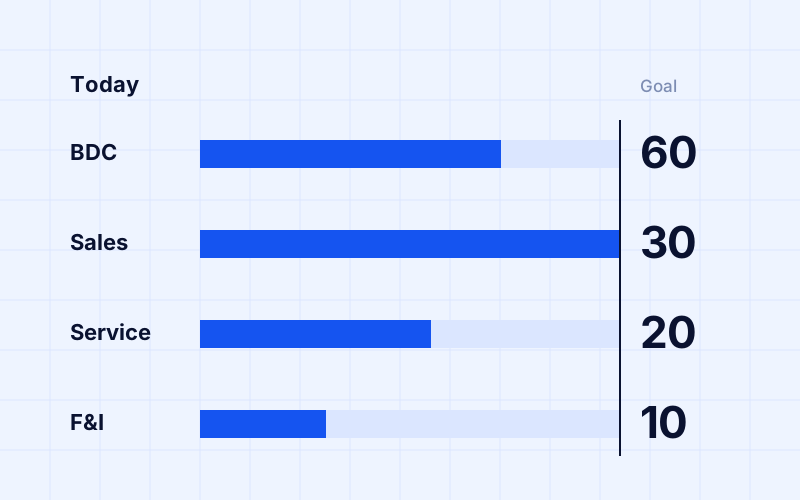
Starting goals: BDC 60, sales 30, service 20, F&I 10
These are starting points, not targets handed down from a spreadsheet. BDC agents spend the day on outreach, so their number is highest. Salespeople split time with customers on the lot, service advisors work the drive, and F&I spends long stretches in deals, so their numbers step down. Run them for a few weeks, then adjust to what your people actually do.
What should count, and what shouldn't
Count outreach and results: calls, texts and emails sent, appointments set and shown, test drives, units sold, follow-ups completed. Don't count things that happen to someone, like an inbound message, or a note added after the fact. If it doesn't move a customer forward, it shouldn't move the number.
Part-timers, closed days and new hires
A goal only means something on a day someone could have hit it. Closed days shouldn't count against anyone, and nobody should be judged on days before they started. For part-timers, set a goal that matches their hours instead of holding them to a full-time number.
Reading the board at 2pm
Mid-afternoon is the useful moment. There's still time to make calls, and the shape of the day is clear: who's on pace, who's close and who hasn't started. A two-minute check-in at 2pm does more than a report at month-end.
When to change the goal
Change a goal when most of a department is well over it or well under it for a few weeks running, not after one good or bad day. Change it for the department, write down why, and give the new number time to settle before you judge it.